When Your Loved One Resists Memory Care: Guidance for Families
It's common for a parent to push back on memory care, often out of fear or a wish to keep things the same. This guide offers practical ways to approach the conversation, what to avoid saying, and what many families discover after the move.
Conversations about memory care can be some of the most emotional a family will face. You may recognize changes that suggest more support is needed, while your loved one feels comfortable with the way things are. It's a difficult position to be in, but it's also one many families navigate with patience, understanding, and hope.
At 1019 Senior Living, we talk with families in this place often. There is uncertainty about what to say, when to step in, and how to balance respect with safety. You are not alone in that.
Why Resistance to Memory Care Is So Common
It is very common for older adults to resist memory care, even when support would be helpful. That resistance is often rooted in emotion and lived experience rather than a clear understanding of what is changing.
Memory care can feel like a loss of independence or control. In other situations, a loved one may not fully recognize the changes happening in their memory or day-to-day routines. Fear of the unknown also plays a large role, especially when there is little understanding of what additional support actually involves.
Part of that fear may come from misconceptions about what memory care is. While many people view it through the lens of what is changing, memory care is also about creating opportunities for connection, engagement, purpose, and belonging. With the right support, individuals can continue participating in meaningful activities, building relationships, and experiencing moments that bring comfort and fulfillment.
When a parent refuses memory care, it is often tied to fear, uncertainty, or simply wanting things to stay the same for as long as possible.
Understanding the Fear Behind the Resistance
Fear is often at the center of these conversations. Fear of losing independence. Fear of unfamiliar surroundings. Fear of becoming a burden.
Some individuals may also feel frustration or embarrassment when they notice changes in themselves, even if they do not talk about it directly. That can lead to avoidance or pushing the conversation away.
Families are often thinking about safety and daily needs, while their loved one is simply trying to hold on to what feels familiar. That can make conversations difficult to move forward.
How to Talk to a Parent About Memory Care
There is no single right way to approach how to talk to a parent about memory care, but a few small shifts in timing and tone can make the conversation feel less overwhelming.
A few things that can help:
Pick a calm moment. Try to start the conversation when your loved one is relaxed and not already frustrated or confused. Earlier in the day often works better than later.
Keep things simple and gentle. Focus on care rather than correction. Phrases like “I want to make sure you’re safe” or “I want things to feel easier for you” can be easier to hear.
Avoid making it feel like a confrontation. Large explanations or listing concerns all at once can feel like pressure. Short, steady conversations tend to go further.
Bring in a trusted voice when needed. A doctor, close friend, or other family member may help reinforce what you are seeing in a way that feels less personal.
Think in small steps, not one big decision. Visiting options or just talking through possibilities together can take some of the pressure off the conversation.
Even when the conversation feels difficult, small moments of understanding can add up over time.
What Not to Say During Difficult Conversations
Some phrases, even when well-intentioned, can quickly shut down a conversation.
Statements like “you have to move” or “you cannot live alone anymore” often create immediate resistance. They often lead to pushback and make it difficult to move the conversation forward.
It can also help to avoid correcting every memory lapse or disagreement in the moment. That can create frustration for both sides and make it harder to stay connected during the conversation.
The goal is not to prove a point. The goal is to keep communication open long enough to move forward together.
What Families Often Discover
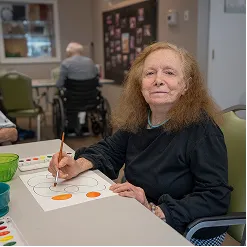
Many families worry that memory care means giving something up. Yet after making the transition, they often discover something different. With the right support, new opportunities for connection, engagement, and peace of mind can emerge for both their loved one and their family.
Loved ones may experience:
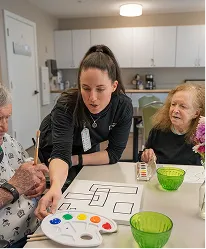
More opportunities to engage in activities that bring enjoyment and purpose
Consistent routines that can help reduce stress and uncertainty
Increased social connection through shared experiences and daily interaction
Personalized support that helps make moments matter throughout the day
A sense of belonging within a caring and welcoming community
Families often discover:
More time to focus on their relationship rather than daily caregiving responsibilities
Greater peace of mind knowing their loved one has support throughout the day
Relief from the stress of managing care on their own
More opportunities to enjoy meaningful time together
Confidence that their loved one is surrounded by people who truly care
While every situation is different, many families tell us that once the transition is made, they are able to spend less time worrying and more time simply being together.
When It’s Time to Take the Next Step Together
Sometimes the most loving decision is also the most difficult one. When daily needs become more challenging to manage or additional support could enhance a loved one's well-being, memory care can provide an opportunity to help them thrive.
Even when a loved one is not ready to accept the idea, memory care can bring a level of structure and support that is difficult to maintain at home. It can ease daily stress and provide a setting that better meets cognitive needs.
At 1019 Senior Living, families often share how important it is to know their loved one is met with patience and understanding each day. Residents are our North Star, and they guide everything we do.
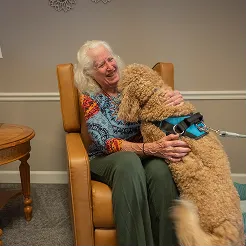
Memory care here is centered on small, meaningful moments throughout the day. It is not about what someone can remember, but rather the joy they can feel in the moment. Making moments matter is part of how our team approaches each day of care and connection.
For families who are still exploring what level of support may be the right fit, our living options offer different ways to meet changing needs while still encouraging independence and daily engagement.
If you are just beginning to understand what this transition can look like, our guide walks families through the process, step by step.
You Do Not Have to Navigate This Alone
If your loved one is resisting memory care, it does not mean you are out of options or that you are doing anything wrong. It means you are in a difficult part of the caregiving journey, and it is one many families walk through.
These conversations take time, patience, and support. You do not have to navigate them alone.
Need support through this transition? We’re here to walk with you.
1019 Senior Living is a senior living provider serving communities across Indiana and Ohio, offering support across the senior care continuum, including assisted living and memory care. Guided by the belief that residents are our North Star and moments matter, 1019 Senior Living is committed to supporting residents and families with loyalty, respect, and integrity.